
Why green spaces are essential to thriving social infrastructure
Our head of policy and communications, Madeleine Jennings, explores a report from More in Common on the role green spaces play in building pride in place, and looks at how Big Local areas have been demonstrating the value of these spaces as part of local social infrastructure.
Last year, we produced new policy research that continued to develop themes highlighted by the Big Local programme as being of vital importance to resident-led neighbourhood renewal. From the relevance of social capital in tackling today’s big challenges to the importance of third spaces for young people’s wellbeing, we’ve been using evidence from Big Local to shape policy recommendations, further the case for investment in doubly disadvantaged neighbourhoods, and unpack the ‘how’ of community capacity building.
For my first post of 2026, though, I wanted to look back at one of my favourite external reports of the last year, because of what it adds to our understanding of the importance of social infrastructure and because it offered a glimmer of hope that our society isn’t as polarised as it’s often made out to be.
Building community pride – more green, more beautiful
Parks, pride and place: The role green spaces can play in building pride in place and support at the ballot box, a report by More in Common, was released in November 2025. It contained new polling that showed that, despite our differences, all voting segments in the country are strongly attached to their local green spaces. Anyone who has even indirectly been involved with a Big Local will instinctively know that to be true. From pocket parks to allotments, local woodland to playgrounds, when given funding and decision-making power, communities want to improve their green spaces and see them as essential social infrastructure.
The More in Common report highlighted exactly the sorts of reasons that green spaces mean so much to communities, including access to nature and community facilities. In our experience, this is even more true in those doubly disadvantaged areas that are both highly materially deprived and lack places and spaces to meet, as well as the community activity that animates those spaces.
Interestingly, for most groups, the obvious attractiveness of a space isn’t a high priority; there are green spaces in Big Local areas that residents have fought to preserve, which might not look like much to residents of more affluent areas. As the report puts it, “those living further from green spaces have lower expectations of what constitutes a green space”. And when a bit of community effort was applied, these unlikely spaces were seen to flourish into places that were both useful and beautiful, enhancing community pride and improving the wellbeing of residents. According to the report, green spaces are one of the few things that the majority of Britons see as a collective asset that benefits all people equally, providing a springboard from which to build bonds across communities.
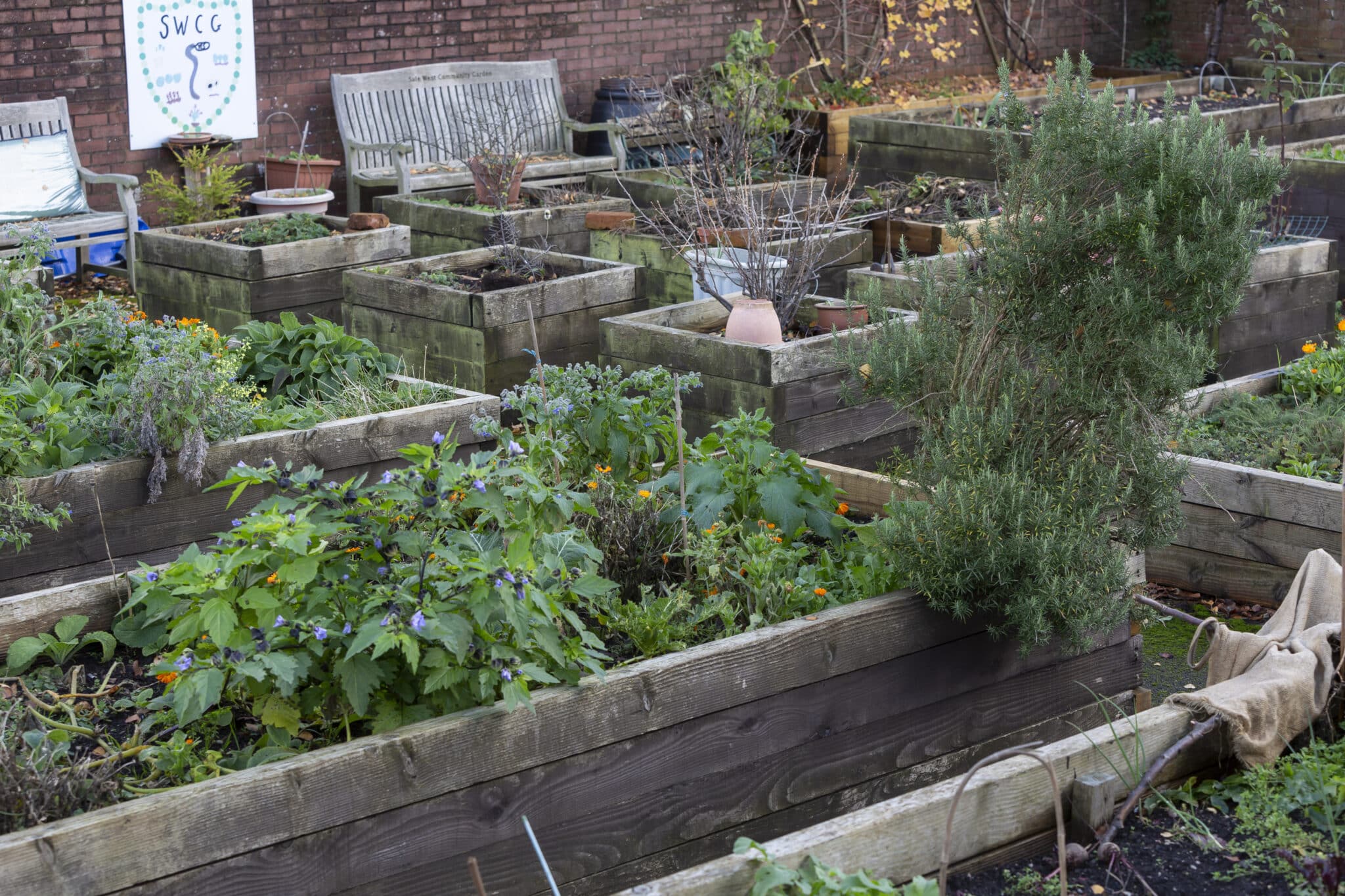
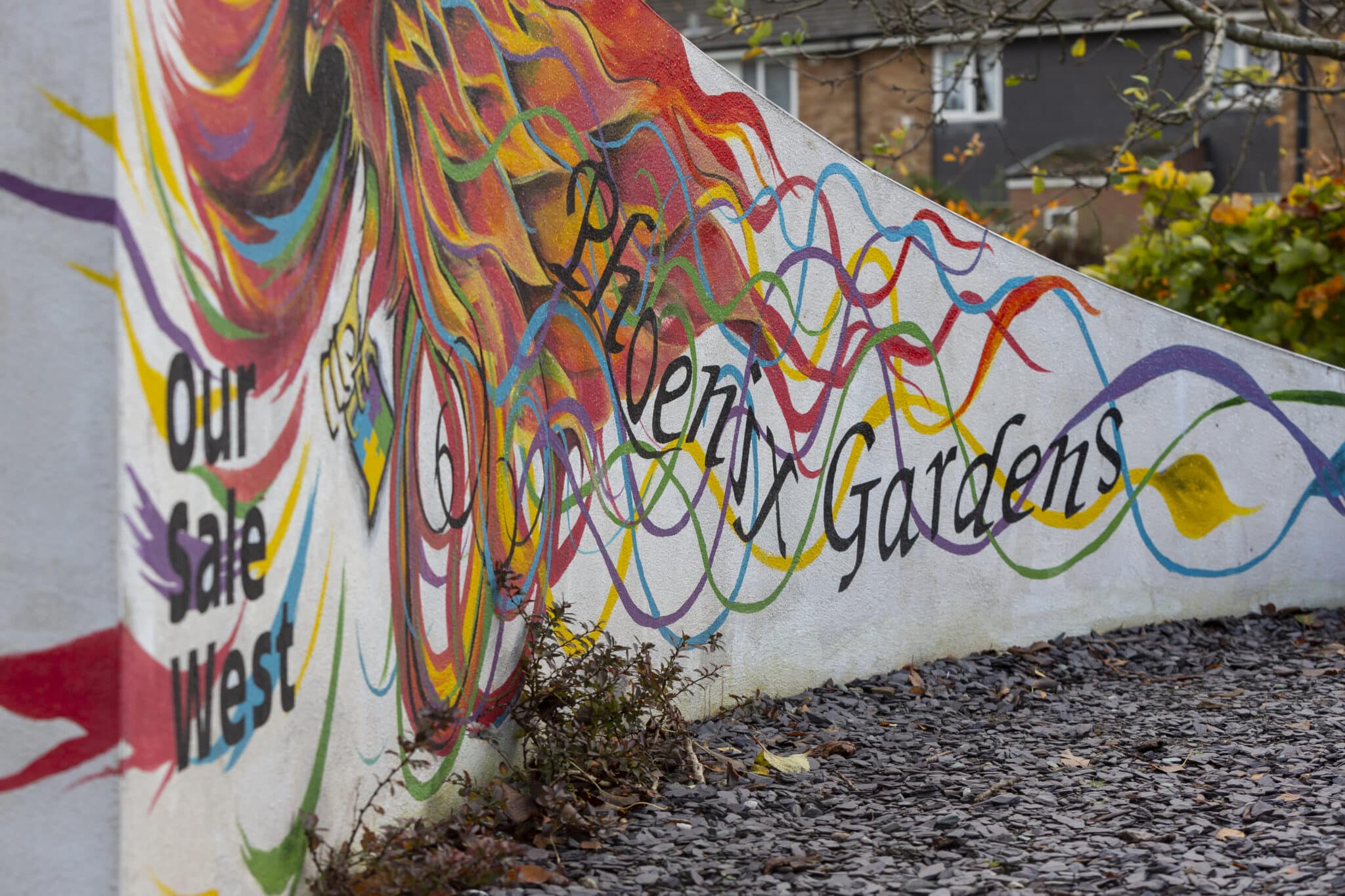
One of my favourite examples is that of Phoenix Gardens in Sale West. What was a patch of car park is now a carefully planted and landscaped garden that provides a valued rest-spot halfway between the shopping parade and the homes of elderly residents. The phoenix is a fitting symbol for so much of the green space work that Big Local areas have undertaken.
A positive impact on mental health, wellbeing and safety
The most important aspect of green spaces, according to the report, is the positive impact on mental health. This is reinforced by projects like the Green Guardians, which sprang from the work of Brinnington Big Local, and supports the wellbeing of young women living in Brinnington with nature activities in local green spaces.
Safety is a concern that unsurprisingly ranked highly for specific groups and is another theme that Big Local areas have picked up on. Groups like Windmill Hill Big Local have successfully prioritised tackling fly tipping in the woodland their estate is set in. They’ve ensured that potentially toxic, rusting and otherwise dangerous waste is no longer spoiling the community’s enjoyment of this remarkable natural resource.
What unites the community ignites action
More in Common’s research shows that Big Local residents are representative of the wider population. The report highlights differences that come alive in Big Local partnerships’ discussions and community consultations – such as what different groups want from green spaces, or how people understand the barriers to using them.
By focusing on what is likely to unite communities already, their love for its green spaces, the research also offers them a starting point for thinking about how they can kickstart the regeneration of their neighbourhood.
My hope for the new year is that the policy world will see more research on what unites different communities across the country, and allow policymakers to coalesce around themes that will strengthen rather than undermine this. In true Big Local style, that would start with bringing neighbours together over a cup of tea and maybe a litter-picking session.
Find the full report from More in Common on their website.

Madeleine Jennings is head of policy and communications at Local Trust, with a background in public affairs and strategic communications. Overseeing stakeholder engagement both within the policy and legislative sector and within wider civil society, Madeleine provides strategic direction across Local Trust’s external output.